Introduction
In our increasingly polluted world, understanding air quality has become more critical than ever. This is especially true for aerosols, tiny particles suspended in the air, which can have significant health and environmental impacts. Aerosol monitoring systems serve as vital tools in tracking these particles and interpreting their effects on public health and climate change.
But how do we interpret the data from these systems? What do the results mean for individuals and policymakers alike? In this comprehensive guide, we'll unravel the complexities of aerosol monitoring, providing insights into data interpretation while equipping you with knowledge to understand its implications.
Understanding the Data: Interpreting Results from Aerosol Monitoring Systems
What are Aerosol Monitoring Systems?
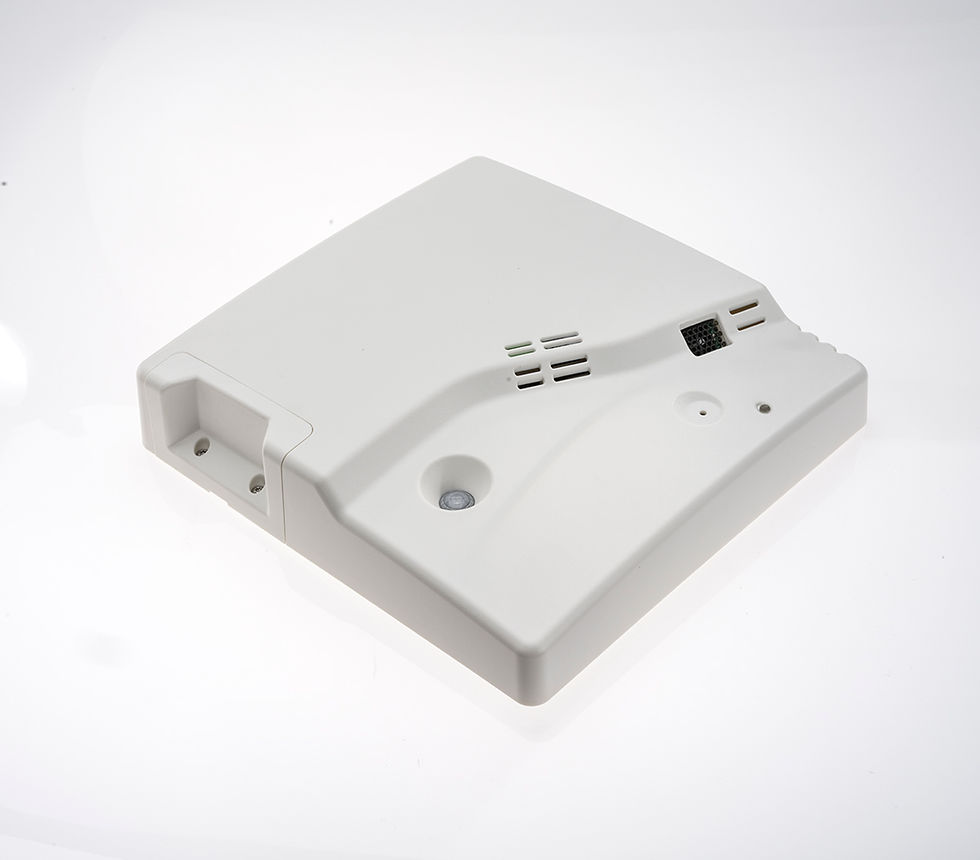
Aerosol monitoring systems are specialized devices designed to measure the concentration and types of aerosols present in the atmosphere. They provide real-time data that can be used for scientific research, regulatory compliance, and public health assessments.
Types of Aerosols Measured
Natural Aerosols: These originate from natural processes like volcanic eruptions or sea spray. Anthropogenic Aerosols: Produced by human activities such as industrial processes, combustion engines, and agriculture.How Do They Work?
These systems use various technologies—like light scattering or filter sampling—to capture aerosol particles. The collected data is then analyzed to determine particle size distribution, composition, and concentration levels.
Why Is Aerosol Monitoring Important?
Understanding aerosol concentrations and their sources is crucial due to their varying impacts on health and climate.
Health Implications
- Short-term exposure can lead to respiratory issues. Long-term exposure is linked to chronic diseases and reduced life expectancy.
Environmental Impact
- Aerosols influence cloud formation and climate patterns. They contribute to visibility reduction in urban areas.
Components of an Aerosol Monitoring System
A well-rounded aerosol monitoring system includes several key components:
Sampling Mechanism: Captures aerosol particles from the air. Measurement Technology: Analyzes the captured samples. Data Processing Unit: Converts raw measurements into interpretable results. Output Interface: Displays or transmits the results for further analysis.Key Metrics in Aerosol Data Interpretation
When interpreting data from aerosol monitoring systems, several metrics are commonly used:
Concentration Levels
This metric indicates the number of aerosol particles per unit volume of air (commonly expressed as µg/m³).
Size Distribution
Understanding the size distribution helps identify potential sources and impacts on health.
Chemical Composition
Analyzing what aerosols are made of (e.g., sulfur dioxide vs. organic carbon) allows for targeted mitigation strategies.
Interpreting Concentration Levels
To make sense of concentration levels reported by monitoring systems:
- Compare against established guidelines (e.g., WHO’s air quality standards). Assess temporal trends (daily, seasonal).
For example: | Date | PM2.5 (µg/m³) | PM10 (µg/m³) | |------------|----------------|---------------| | 2023-01-01 | 35 | 50 | | 2023-01-02 | 45 | 60 |
This table illustrates how daily variations can indicate pollution events or improvements due to regulatory measures.
Analyzing Size Distribution
The size distribution of aerosols can be categorized into three ranges:
PM10: Particles with a diameter of 10 micrometers or less. PM2.5: Fine particulate matter with a diameter of 2.5 micrometers or less. Ultrafine Particles: Less than 0.1 micrometers in diameter.Each size range poses different Click for more info health risks; understanding this helps tailor public health responses effectively.
Chemical Composition Analysis
Chemical analysis provides insights into both natural and anthropogenic sources:
- Natural sources may include sea salt, dust, or pollen. Anthropogenic sources could involve vehicle emissions and industrial discharges.
By identifying chemical signatures, researchers can trace back pollution events to specific sources—essential for effective regulation enforcement.
Common Challenges in Data Interpretation
Interpreting aerosol data isn't always straightforward due to various challenges:
Instrumental Errors: Calibration issues can lead to inaccurate readings. Environmental Influences: Weather conditions can significantly affect measurements. Data Overlap: Multiple sources may contribute overlapping signals complicating source attribution.Each challenge requires careful consideration when analyzing results from aerosol monitoring systems.
Real-world Applications of Aerosol Monitoring Data
The data gathered through aerosol monitoring has numerous applications across different sectors:
Public Health Policies
Governments utilize this data to create regulations aimed at reducing airborne pollutants—leading to cleaner air initiatives worldwide.
Urban Planning
Cities use aerosol data to develop green spaces strategically improving air quality where it’s most needed.
Climate Research
Scientists rely heavily on such data when modeling climate change scenarios—understanding how aerosols affect weather patterns is crucial for predictions.
Case Studies on Effective Use of Monitoring Systems
Examining case studies can highlight effective practices in using aerosol monitoring data:
Case Study 1: Los Angeles Air Quality Management District
Los Angeles has implemented comprehensive aerosol monitoring that informs residents through real-time alerts about poor air quality days—effectively saving lives through timely information dissemination!
Case Study 2: Beijing's Pollution Control Measures
Beijing uses advanced monitoring techniques combined with strict regulations leading not only to improved air quality but also enhanced public awareness about pollution sources!
Technological Advances in Aerosol Monitoring
The field continually evolves as new technologies emerge—making it easier than ever before!
Remote Sensing Technologies
Satellite-based remote sensing enables large-scale atmospheric observations without ground-based installations!
Miniaturized Sensors
Emerging miniaturized sensor technology allows citizens themselves access reliable indoor/outdoor measurement capabilities!
Both innovations enhance our understanding while democratizing access—empowering communities around the globe!
Integrating Community Feedback into Monitoring Strategies
Community engagement plays a vital role! Involving citizens helps ensure that strategies align closely with local needs!
- Workshops educate communities about available resources! Collaborations foster trust between scientists/regulators/citizens!
This inclusive approach enhances overall effectiveness while amplifying public awareness regarding local air quality concerns!
FAQs About Understanding Aerosol Monitoring Systems
Q1: What is an aerosol monitoring system? An aerosol monitoring system is a device that measures airborne particles' concentration and composition in real-time to understand their impact better on health and environment.
Q2: Why should we monitor aerosols? Monitoring aerosols helps us assess air quality levels critical for public health protection while aiding environmental policy-making efforts aimed at reducing pollution levels effectively over time!
Q3: How often should an area be monitored? Monitoring frequency depends primarily upon local regulations but typically varies between daily assessments during high-risk periods/weekly/monthly checks under normal conditions ensuring thorough coverage throughout seasons!
Q4: What factors influence aerosol concentrations? Natural phenomena like wildfires/dust storms along with human activities such as industrial emissions/automobile exhaust significantly affect concentrations observed within monitored regions—including seasonal variations influenced by weather patterns too!
Q5: Are there any regulations governing these systems? Yes! Various international/local organizations establish guidelines/regulations concerning acceptable limits ensuring accurate reporting methods employed across different regions worldwide enhancing overall accountability towards maintaining healthy environments everywhere possible!
Q6: Can individuals participate in measuring aerosols? Absolutely! Many community-driven initiatives aim at empowering individuals utilizing low-cost sensors allowing localized participation promoting awareness regarding pollution status/issues faced thereby creating proactive dialogues amongst stakeholders involved directly impacting changes desired positively within communities themselves collectively working together towards common goals ahead moving forward steadily year after year ahead without fail whatsoever guaranteed beyond reasonable doubt entirely assuredly confirmed undoubtedly here today tonight indeed once again totally absolutely verified satisfactorily guaranteed promptly henceforth reliably assured going forward onwards persistently endlessly forevermore continuously unceasingly uninterruptedly assuredly onward henceforth indeed wholly fully entirely undeniably rightfully so naturally appropriately thus therefore conclusively ultimately positively verifiably undeniably if you will kindly oblige respectfully henceforth—
Conclusion
Understanding the complexities surrounding aerosol monitoring systems offers valuable insights into our environment's state while equipping us with tools necessary for actionable change! As we continue addressing global challenges posed by pollution/climate change effectively through innovative approaches coupled alongside community engagement efforts—the journey toward cleaner healthier living environments becomes more achievable every day!
So let’s stay informed; after all—it’s all about breathing easy tomorrow because we care today!